The Luoyang Peony Festival
Introduction
The Luoyang Peony Festival is an annual cultural and floral celebration held in Luoyang, Henan province, China. Renowned as the "Millennium Capital, Peony City," Luoyang is deeply associated with the peony flower, which has become a symbol of prosperity, beauty, and cultural heritage. The festival, which takes place every spring from April to May, attracts millions of visitors from around the globe, blending natural splendor with rich historical and cultural traditions.
Historical Background
The origins of the Luoyang Peony Festival can be traced back to the Tang Dynasty (618–907), a golden era of Chinese culture and art. According to legend, Empress Wu Zetian, the only empress in China's history, commanded all flowers to bloom during winter in the imperial capital of Chang'an (modern-day Xi'an). While most flowers obeyed, the peonies refused, leading the empress to banish them to Luoyang. Despite this punishment, the peonies thrived in their new home, becoming a symbol of resilience and beauty. Over the centuries, the flower gained prominence in Chinese literature, art, and culture, with Luoyang emerging as a center for peony cultivation.
The modern iteration of the festival began in 1983 with the first Luoyang Peony Fair, held in Wangcheng Park. The event garnered immense public enthusiasm, with over 200,000 tickets sold before the opening ceremony. Since then, the festival has been held annually, growing in scale and significance. In 1991, it was renamed the Henan Luoyang Peony Fair, and in 2008, it was recognized as a national intangible cultural heritage. In 2010, the event was further elevated to the Peony Culture Festival of Luoyang China, cementing its status as a premier cultural event.
Festival Highlights
Peony Gardens and Floral Displays
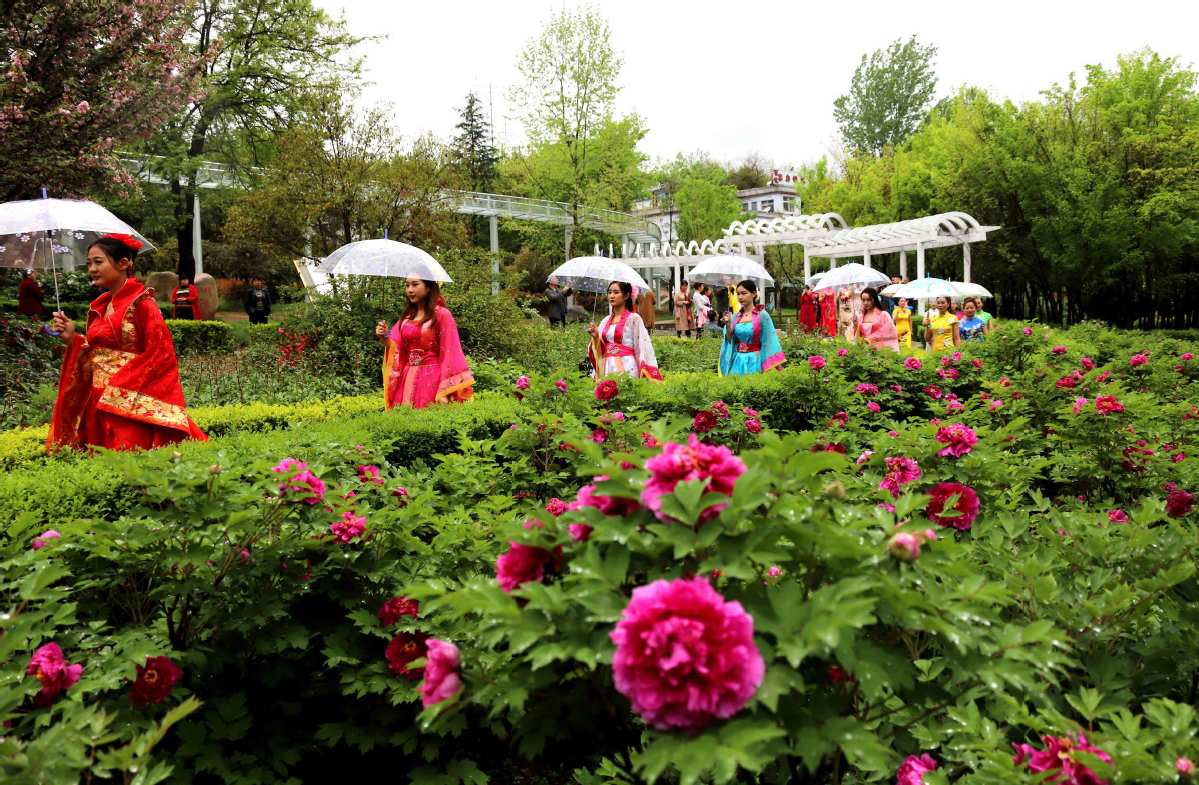
The centerpiece of the Luoyang Peony Festival is the breathtaking display of peony flowers in full bloom. The city boasts expansive gardens featuring over 800 species and 130,000 individual plants. Visitors can marvel at the vibrant colors and intricate beauty of the flowers, which range from deep reds and purples to soft pinks and whites. The streets of Luoyang are also adorned with peony-themed decorations, including traffic lights shaped like peonies, creating an immersive floral experience.
Cultural Performances and Activities
The festival is not just about flowers; it is a celebration of Luoyang's rich cultural heritage. Attendees can enjoy a variety of cultural performances, including traditional Chinese music, folk dances, and art exhibitions. These events provide a glimpse into the city's historical and artistic legacy, offering visitors a chance to engage with its vibrant traditions.
For those seeking an immersive experience, dressing in "hanfu" (traditional Chinese attire) is a popular activity. Many shops in Luoyang offer "hanfu" rentals and makeup services, allowing visitors to feel as though they have stepped back in time to ancient China.
Economic and Cultural Impact
The Luoyang Peony Festival has become a significant driver of economic growth and cultural exchange for the city. In recent years, the event has attracted millions of tourists, generating substantial revenue. For instance, a recent festival drew over 26 million visitors and generated 24 billion yuan ($3.5 billion) in total revenue. The influx of tourists has also boosted local businesses, including hotels, restaurants, and cultural industries.
The festival has expanded to include various events and exhibitions, such as the International Ancient Capitals Forum and the Luoyang International Robot & Intelligent Equipment Expo. These activities not only enhance the festival's appeal but also attract significant investments, with one year recording a total investment of 90.4 billion yuan.
Luoyi City and Cultural Tourism
During the festival, visitors can explore Luoyi city, a reconstructed historical site located in Luoyang's Laocheng District. Reflecting over 800 years of history, Luoyi city spans 91 hectares and was developed at a cost of 12.7 billion yuan. The site combines cultural tourism with peony-related industries, offering attractions such as traditional performances, shops selling peony-themed products, and scenic areas for flower viewing.
Efforts are made to ensure a pleasant experience for all visitors. For instance, entrance to Luoyi City is free, but ID cards are swiped to control crowd numbers and prevent overcrowding. Travel agencies collaborate with local businesses to offer comprehensive packages that include daytime flower viewing and nighttime dining and shopping.
Peony-Related Industries
The Luoyang Peony Festival has also spurred the growth of peony-related industries, contributing to the local economy. Products such as peony porcelain, peony tea, and peony oil are popular among tourists and locals alike. These items not only serve as souvenirs but also help promote the cultural significance of the peony.
Pingle Village: The Peony-Drawing Hub
Pingle Village, located in Pingle Town, Luoyang, has gained fame as China's first peony-drawing village. The village thrives on its art industry, teaching residents to paint peonies and fostering a vibrant creative community. In 2011, the China Pingle Peony Drawing Culture Creative Industry Park was established, featuring a main building, 200 painting studios, and a 1.7-hectare peony sketching area.
The industry park includes facilities for drawing and teaching, as well as an e-commerce center to help farmer-painters sell their work online. In a recent year, the park sold over 500,000 peony paintings, showcasing the global appeal of this art form.








